Stablecoins Explained Simply: How They Work and Why People Use Them
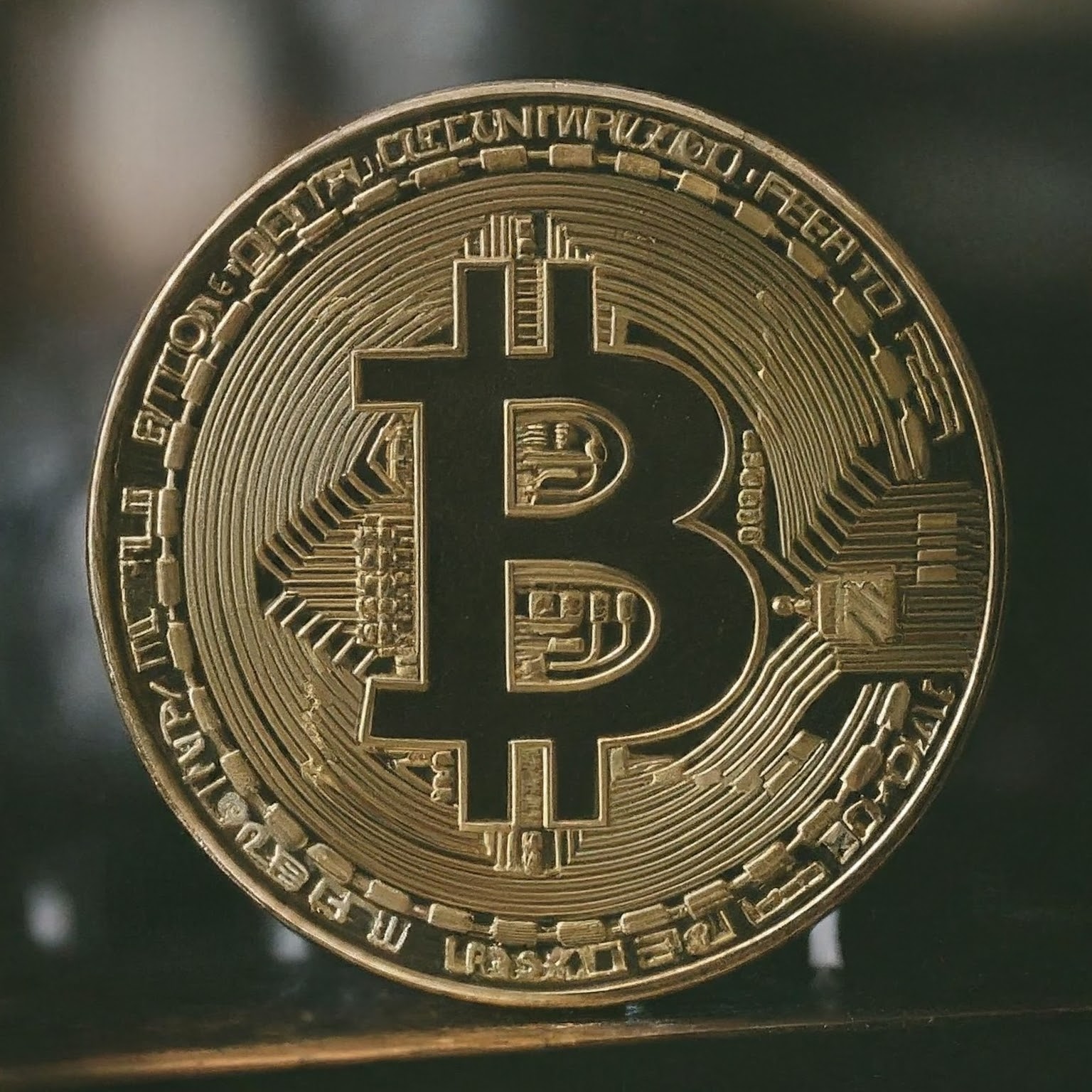
Stablecoins are cryptocurrencies designed to keep a steady price. While normal crypto coins like Bitcoin jump up and down every day, one stablecoin is built to stay worth exactly one US dollar. Think of it like digital cash that lives on the internet.
People use stablecoins when they want to hold crypto without taking big price risks. You get the fast speed of online transfers, but your money keeps its value. It acts as a safe bridge between your regular bank account and the world of digital money.
Why Do Crypto Prices Move So Much?
To see why stablecoins matter, look at normal cryptocurrencies first. Prices of regular coins change every second based on buying and selling. A single Bitcoin might be worth $60,000 today and $55,000 tomorrow. That constant movement makes it hard to buy your daily coffee or pay your rent with it.
Imagine going to the grocery store with a $20 bill. When you get to the register, the cashier tells you your cash is now worth $14. Ten minutes later, it might be worth $25. You would never want to run an errand with money that shifts like that. That is the main problem regular crypto has when used for everyday spending.
Stablecoins fix this price swing. They take the technical powers of digital money and anchor them to real money, like the dollar or the euro. That means a single dollar-backed token stays worth $1.00, whether the rest of the market crashes or booms.

How Does a Stablecoin Stay Worth One Dollar?
Keeping a digital coin at one exact price takes real work behind the scenes. The companies that make these coins use different methods to hold that price target. Here are the three main ways they do it.
1. Cash in a Bank Reserve
This is the most common and simple method. For every digital stablecoin created on the internet, the issuing company holds one real physical dollar in a traditional bank account. If a company makes one million stablecoins, they keep one million real dollars in a safe reserve.
When you want your real money back, you return the digital coin to the company. They destroy that digital token and give you one physical dollar from their bank. Tether (USDT) and USD Coin (USDC) are two popular examples that use cash reserves. You can learn how these trade on an exchange by reading our guide on How Crypto Exchanges Work: A Simple Guide for Beginners.
2. Crypto Used as Backing
Some stablecoins do not keep actual paper cash in a normal bank. Instead, they store other stable digital assets like Bitcoin or Ethereum in a digital vault. Because those crypto assets can drop in price, the system holds extra reserve funds just in case.
For instance, to get $100 worth of this kind of stablecoin, you might need to deposit $150 worth of Ethereum into the digital lockbox. That extra $50 acts as a safety cushion. If Ethereum drops in value, your coin stays backed by enough total money to equal one dollar. DAI is a well-known coin that works this way.
3. Computer Programs Adjusting Supply
The third method relies purely on computer code, often called algorithms. These systems do not hold physical cash or extra crypto in a vault. Instead, the code controls the number of coins in circulation, matching supply to demand automatically.
If the price starts to slip up to $1.02, the program creates new coins to push the price back down. If the price drops to $0.98, the code buys up coins to pull them out of the market. This method carries high risk. If people lose trust in the system, the price can collapse quickly, which has happened to projects in the past.
What Are People Using Stablecoins For?
Stablecoins have grown into a huge part of the global money system. Millions of transactions happen every day, totaling billions of dollars. But what do real people do with them?
Sending money across international borders is one main use. Sending $200 from the United States to a relative in Mexico through a traditional bank can take three days and cost $15 in fees. Sending that same amount as a stablecoin takes under two minutes and often costs less than fifty cents. The person on the receiving end gets digital dollars right on their phone.
Traders also use them as a parking spot for their money. If a trader earns a profit on a coin, they can swap that coin for a stablecoin within seconds. That locks in their profit without forcing them to move cash back to a traditional bank, which often takes days. Check out our crypto basics news hub for more updates on trading trends.
In countries where local currencies suffer from fast inflation, stablecoins offer a lifeline. People living in places like Argentina or Turkey sometimes buy dollar-backed tokens on their phones. It protects their family savings from losing value as local prices rise rapidly.
What Are the Big Risks of Stablecoins?
No financial tool is totally safe, and stablecoins come with clear risks you need to understand. They might feel like real money, but they do not share the same legal shields as a standard checking account.
Bank deposits in many countries carry government insurance. If your local bank shuts down, your government covers your funds up to a set limit. Stablecoins do not have that government safety net. If the company behind the coin fails, you could lose your funds.
Here are three key risks to keep in mind:
- Reserve transparency risk: You have to trust that the company actually holds the real cash they claim to hold. Some companies publish audited reports from accounting firms, while others share very little proof.
- De-pegging risk: Sometimes a stablecoin loses its fixed $1.00 price. This event is called de-pegging. If panic hits the market, the coin might trade for 95 cents or even zero.
- Tech bugs: Stablecoins run on software code built on a blockchain network. If that software code has a hidden mistake, hackers might steal funds from the system.
Understanding these points helps you make smart choices. Never place money into a token if you do not know who creates it or how they hold their reserve funds.
How Do You Pick a Safe Stablecoin?
If you decide to hold stablecoins, spending time on quick research makes a big difference. Not all dollar tokens carry the same level of safety.
First, look for coins that hold 100% of their reserves in real cash and short-term government bonds. These assets are easy to convert back into hard money quickly if everyone wants their funds at once. Steer clear of coins backed only by complicated software code unless you understand the math completely.
Second, check if the company releases regular monthly audit reports from an independent accounting firm. Good operators show their homework openly. They let the public see exactly which banks hold their dollar reserves.
Third, stick to coins that have a long track record and high daily trading volume. Newer tokens with small reserves often carry much higher chances of losing their dollar target during market panics.
The Future of Digital Dollars
Stablecoins are changing how money travels around the world. Major credit card networks are already testing ways to settle daily payments using these fast tokens. Even large central banks are working on their own official digital cash projects because of this success.
The rules around stablecoins are changing fast too. Governments in Europe and the United States are creating strict laws for stablecoin issuers. These new rules aim to force companies to hold full cash reserves and show regular proof to regulators, which helps protect everyday users from bad operators.
If you are new to crypto, holding a small amount of a top stablecoin is a simple way to test how digital transfers work without risking your funds on wild price shifts. Just keep your account passwords safe, choose established coins with public bank audits, and never move more money than you can afford to lose.
Have you ever tried sending digital dollars to a friend online, or do you prefer using standard bank apps?


Comments
Post a Comment